-
-
Ozone-Based Advanced Oxidation for Industrial Wastewater
2025-11-24Ozone treatment leverages strong oxidation to effectively degrade persistent organic pollutants and remove heavy metals from industrial wastewater.
-
-
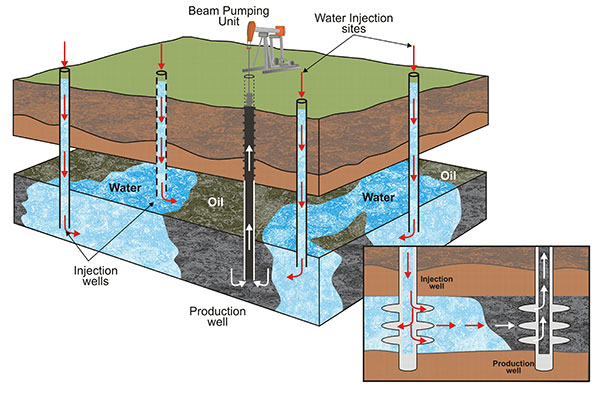
Produced Water Reinjection Treatment Process in Oilfields
2025-11-24A modular, chemical-free solution delivering <10 ppm oil and solids for high-, low-, and ultra-low-permeability reservoirs.
-
-
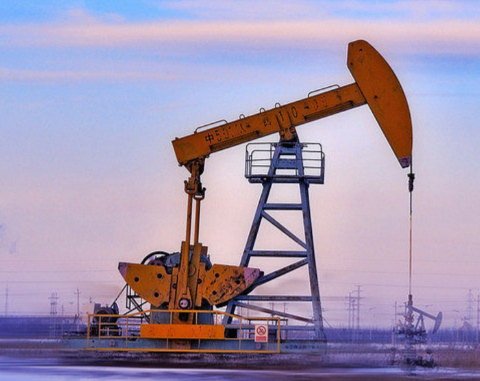
Oilfield Produced Water (OPW): Characteristics, Environmental Risks, and Advanced Treatment Technologies
2025-11-21This paper reviews the composition and massive generation of oilfield produced water (OPW) from oil and gas extraction, analyzes its multifaceted environmental hazards (e.g., heavy metals, hydrocarbons, radionuclides), and summarizes state-of-the-art trea
-
-
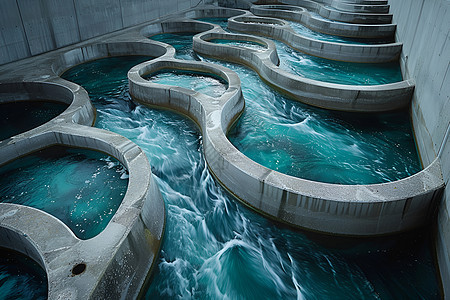
Electro-Desalting Wastewater Treatment for Refineries: CDFU
2025-11-21Designed for refinery scenarios, CDFU cyclonic dissolved air flotation equipment efficiently handles electro-desalting wastewater’s complex pollutants via integrated physical separation technologies.
-
-
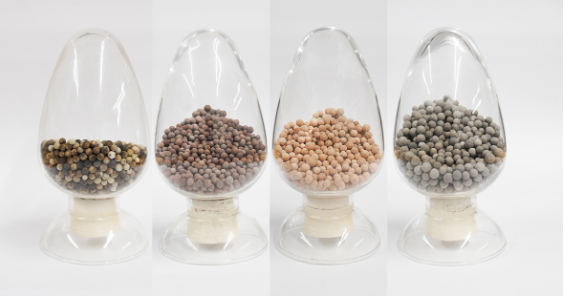
Various Filtration Techniques for Wastewater Treatment
2025-11-20This guide explores 12 key wastewater filtration methods—from traditional sand filtration to advanced membrane and electrocoagulation technologies—helping industries and municipalities select the optimal solution for efficient pollutant removal and water
-
-
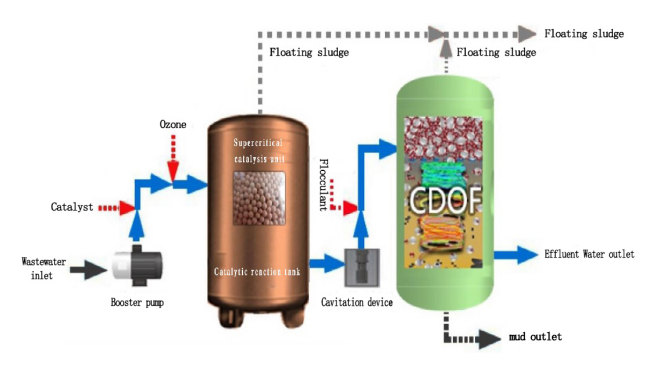
Breakthrough Catalyst Technology by Sinokle: Enhancing Ozone Oxidation Performance & Economic Viability
2025-11-20With high-activity components, porous support design, and superhydrophilic modification, Sinokle’s catalysts minimize energy consumption, reduce ozone dosage, and achieve deep organic pollutant removal.
-
-
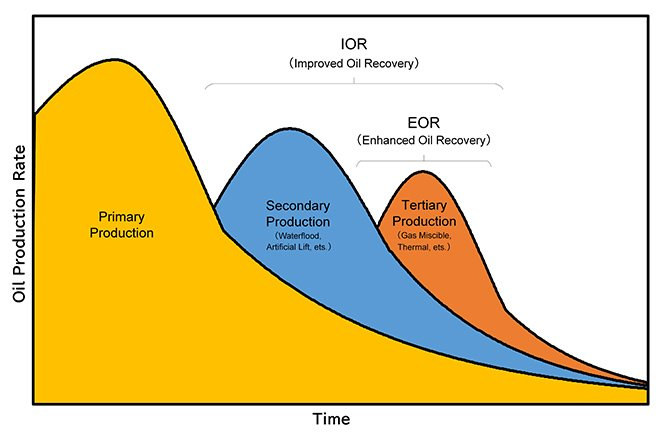
CDOF Technology: Integrated Solution for Efficient Wastewater Treatment on Offshore Oil Platforms
2025-11-19Sinokle’s CDOF combines advanced oxidation, cyclone, and dissolved air flotation to achieve rapid, compact, and high-performance treatment of offshore oily wastewater
-
-
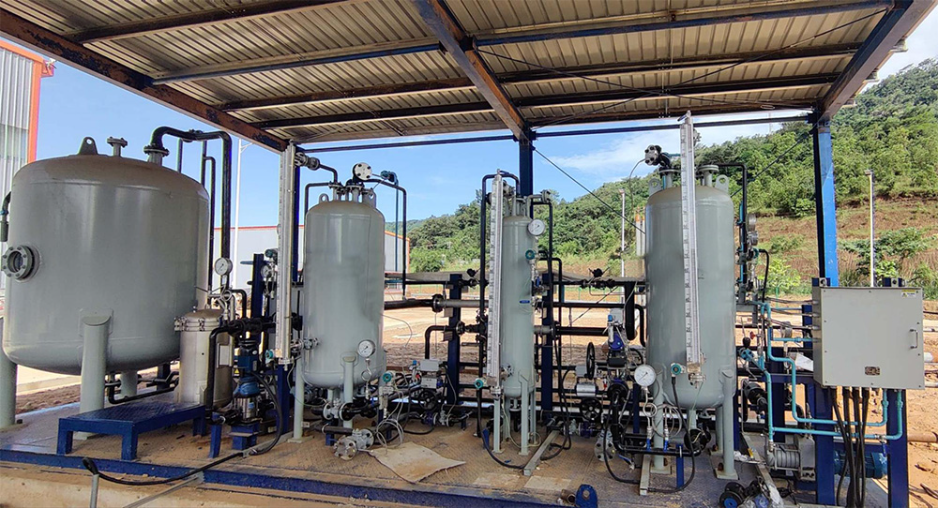
Enhanced Oil Recovery (EOR): Unlocking Trapped Reservoir Potential
2025-11-19This overview explores advanced EOR techniques like thermal, gas, and chemical injection that are used to mobilize and recover oil left behind by primary production methods.
-
-
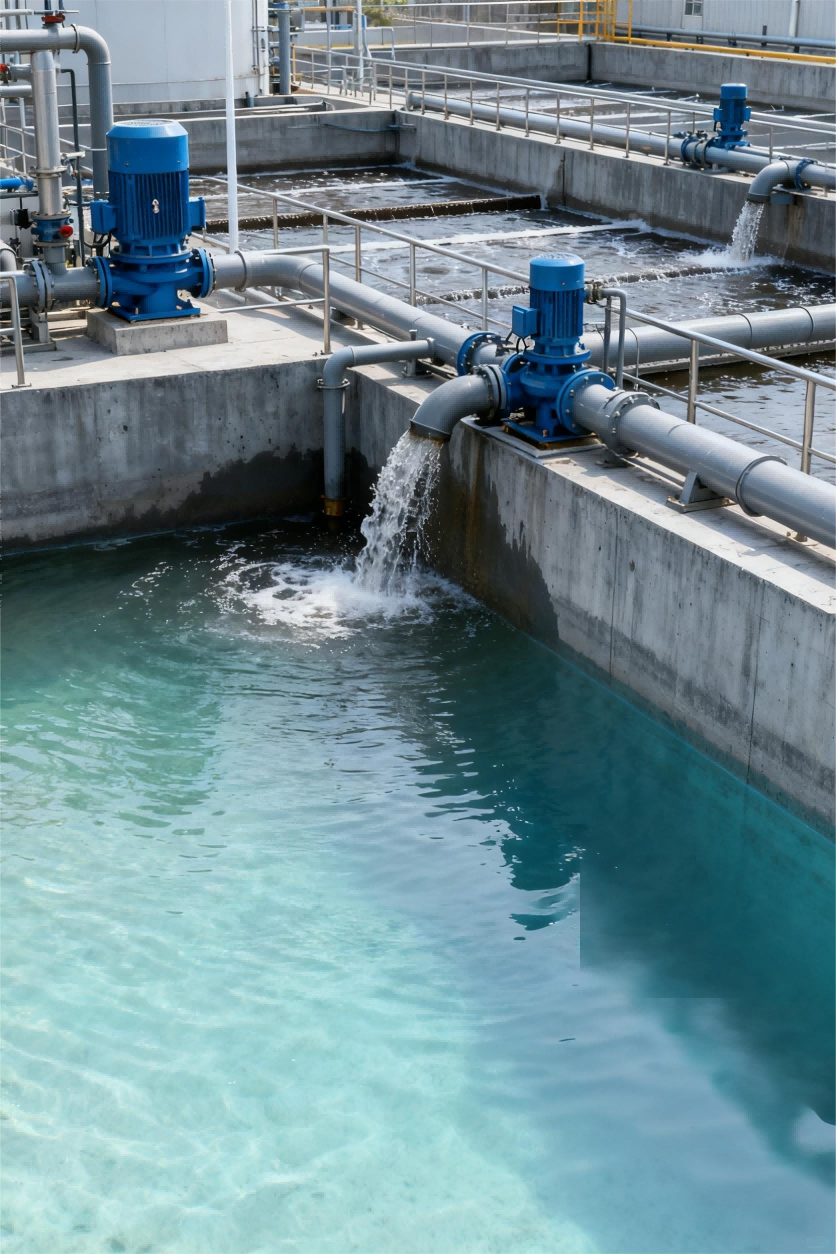
CDFU: Revolutionizing Emulsified Oil-Water Separation
2025-11-18This innovative technology overcomes the limitations of traditional DAF by delivering high-efficiency, chemical-free separation in a compact and intelligent package, paving the way for sustainable industrial wastewater treatment.
-
-
Petroleum Substance Discharge Standards for Industrial Wastewater
2025-11-17This article provides a detailed interpretation of the regulatory standards governing the discharge of petroleum substances in industrial wastewater in China, covering integrated, industry-specific, and regional requirements to ensure environmental protec