-
-
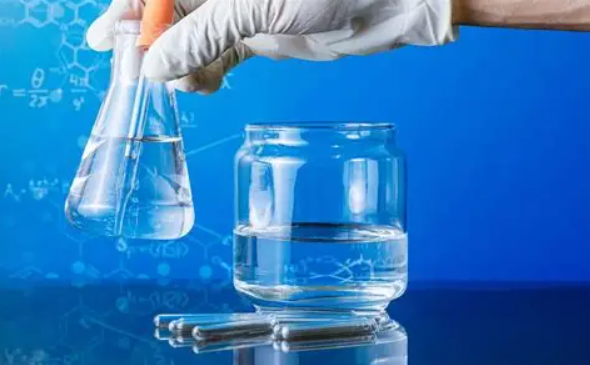
Exploration and Practice of International Detection Methods for Oil Content in Acidic Water
2025-12-29This study identifies critical limitations of standard oil-content testing methods in acidic, emulsified industrial wastewater and proposes a validated, step-by-step optimization protocol—combining salting-out, gradient acidification, ultrasonic assistanc
-
-
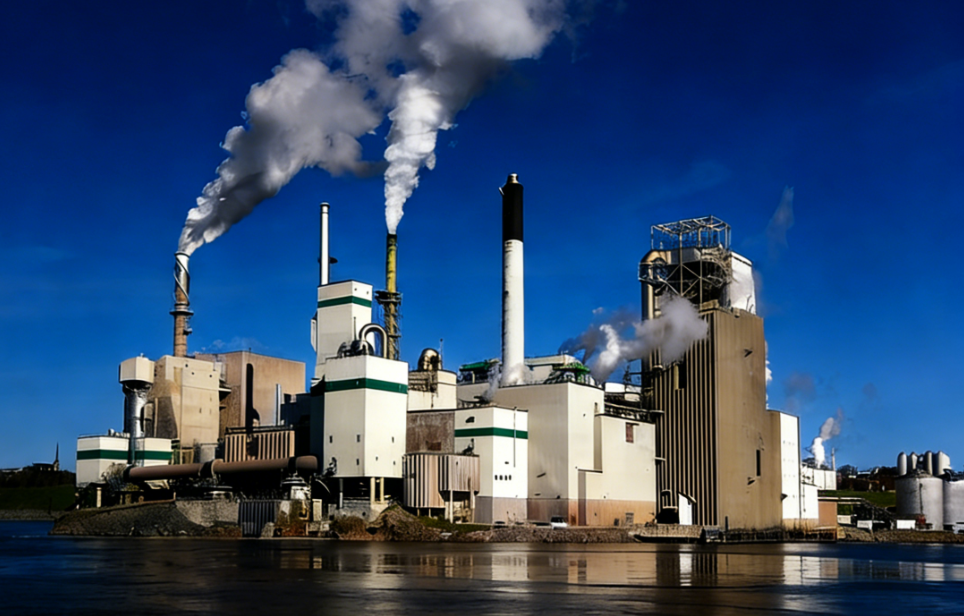
Factors of Industrial Circulating Water
2025-12-26Factors Affecting Scale Formation In addition to inorganic scale, circulating water can also have fouling, which is often caused by the presence of many sands, humus, various suspended solids, an
-
-
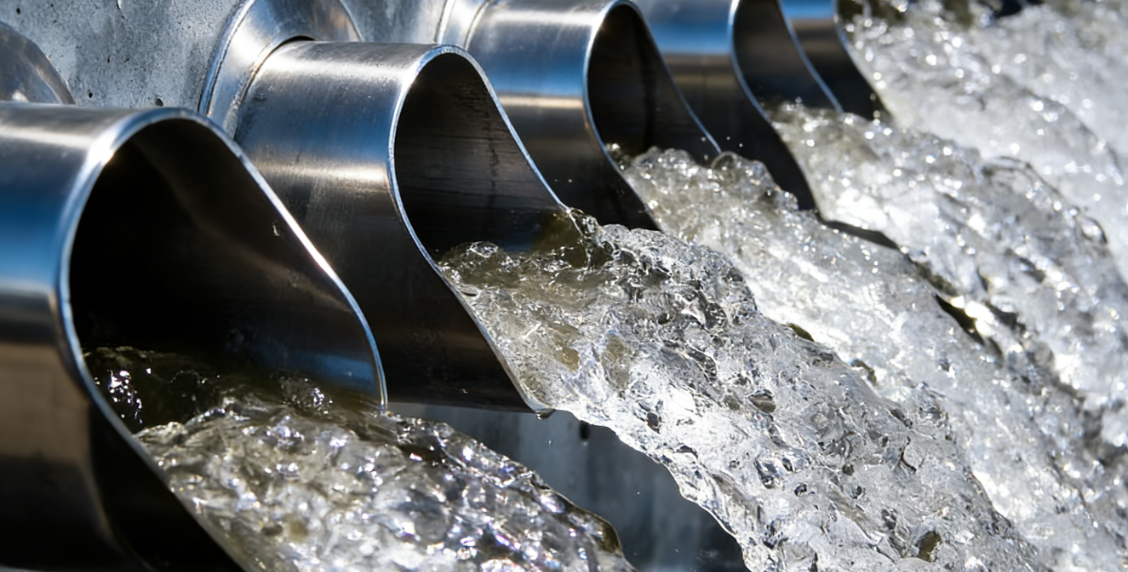
What is Industrial Water Treatment? Why is Industrial Water Treatment Necessary?
2025-12-26What is Industrial Water Treatment Industrial water treatment is not the same as general wastewater treatment. On the contrary, what we often treat is not wastewater, but normal water that can be
-
-
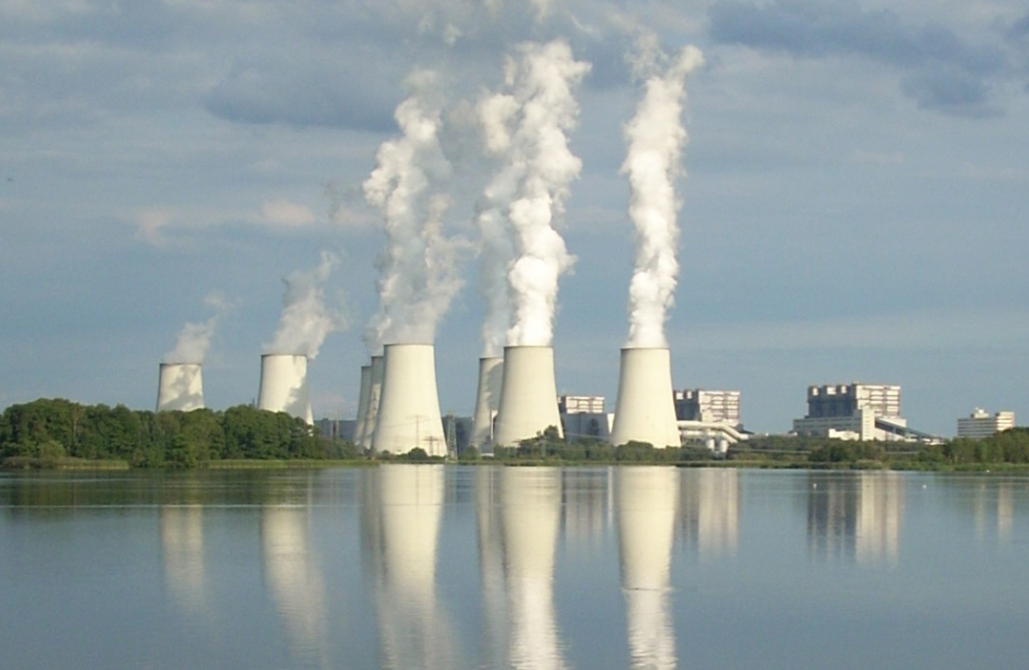
Is Your "Clean" Electricity Hiding a Dirty Secret? The Truth About Power Plant Wastewater.
2025-12-26Power plants generate the electricity we rely on, but they also produce vast amounts of wastewater. This article explores where it comes from, its harmful components, and how advanced technologies are turning this problem into a solution.
-
-
Breaking Through Ternary Precursor Wastewater Dilemma: Sinokle’s CDOF Technology Leads Green Innovation
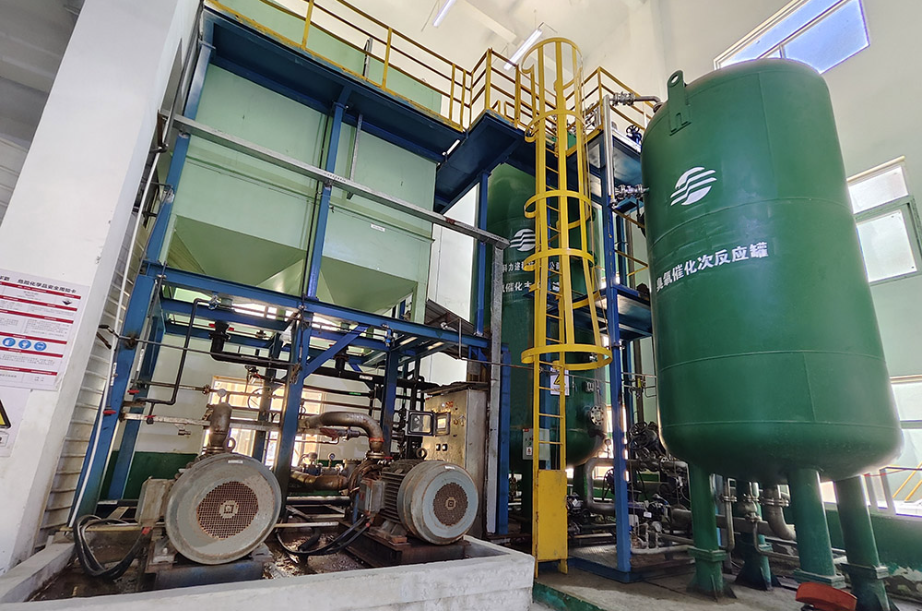
2025-12-26Targeting the tough oil and TOC removal challenges in ternary precursor wastewater treatment, Sinokle’s patented CDOF system redefines efficiency with multi-technology synergy, offering a cost-effective and eco-friendly solution for the new energy industr
-
-
Offshore Oilfield Wastewater Treatment: Environmental Protection Challenges in a Special Environment
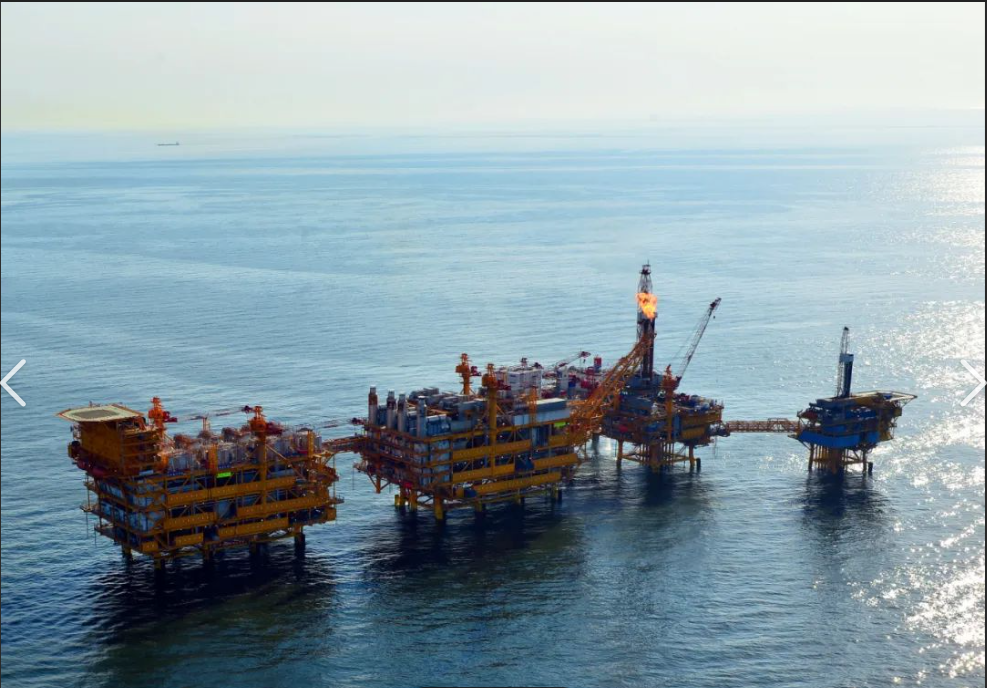
2025-12-25As offshore drilling expands, managing highly saline, toxic wastewater in extreme marine conditions has become one of the industry’s toughest environmental hurdles.
-
-
New Technologies for Electro-Desalination Wastewater Treatment
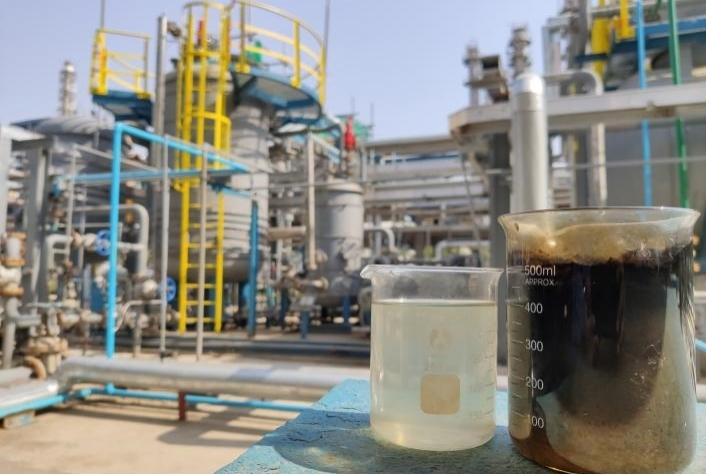
2025-12-25Currently, the main challenges in treating electro-desalination wastewater are as follows:1. High Oil Content: Under normal conditions, electro-desalination wastewater contains oil ranging from 2
-
-
Traditional Treatment Processes of Desalting Wastewater and Its Challenges
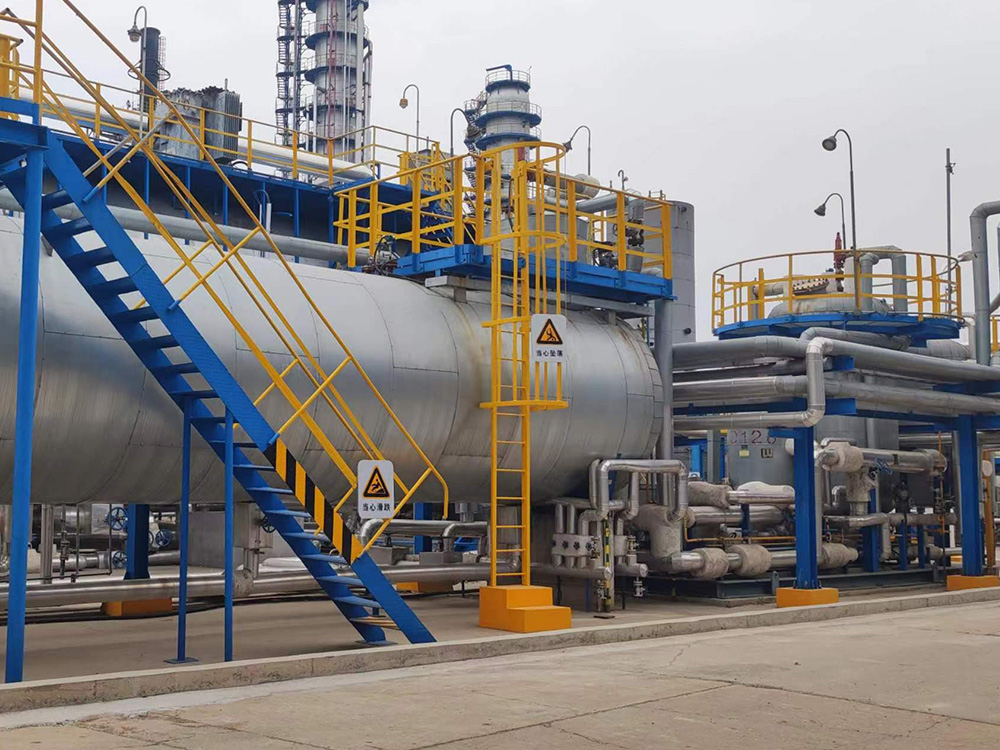
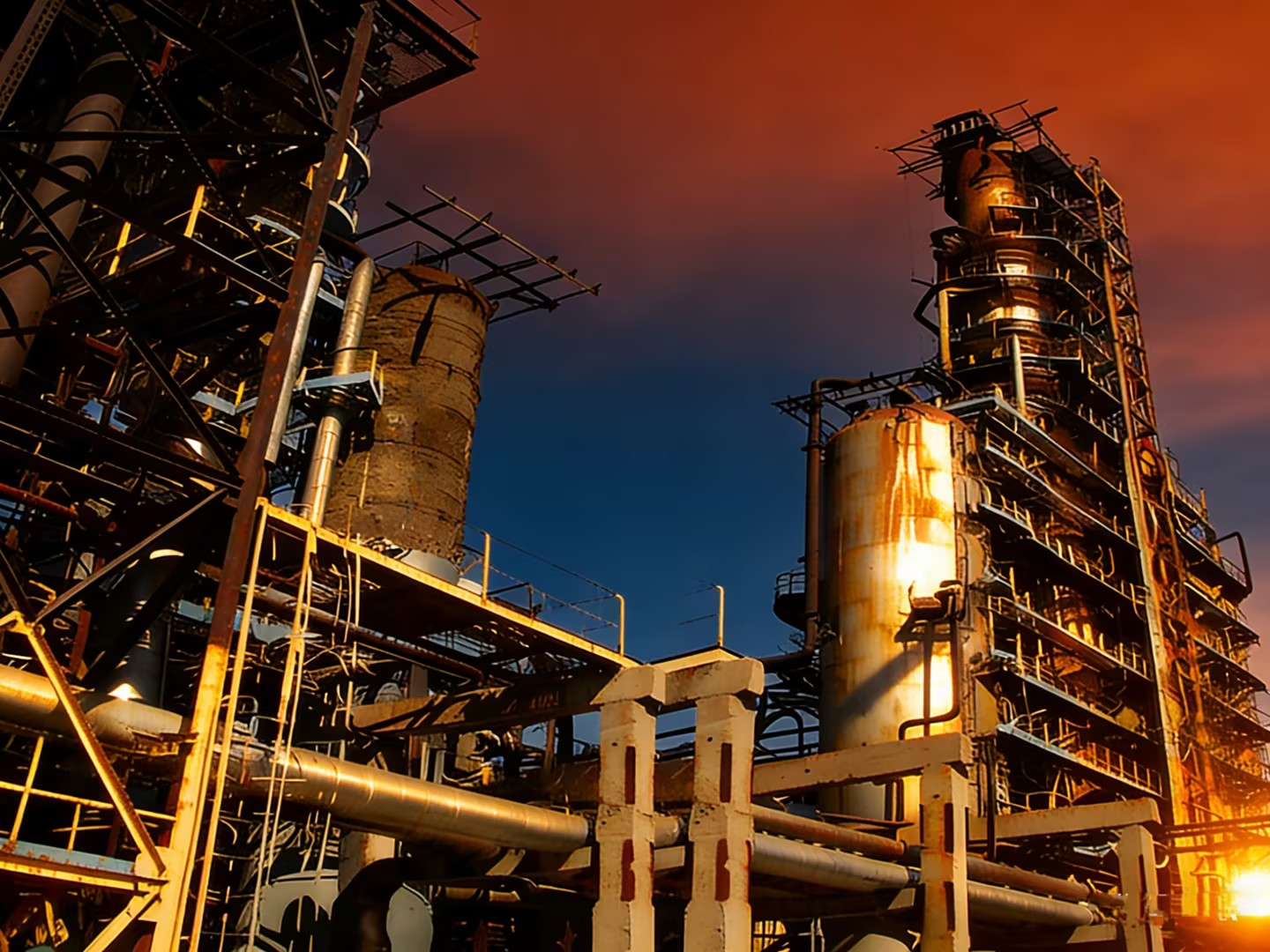
2025-12-25During crude oil refining, the desalting step plays a crucial role. However, with the successive development of oilfields, refinery feedstocks have become more diversified and compositionally complex.
-
-
Introduction of Electrostatic Desalting Wastewater
2025-12-25Crude oil contains certain salts such as sodium chloride, magnesium chloride, and calcium chloride. As water evaporates, these salts form scale on the walls of heat exchangers and furnace tubes, reduc
-
-
High-Efficiency Treatment Technology for High-Oil-Content Wastewater from Electrical Desalting Process
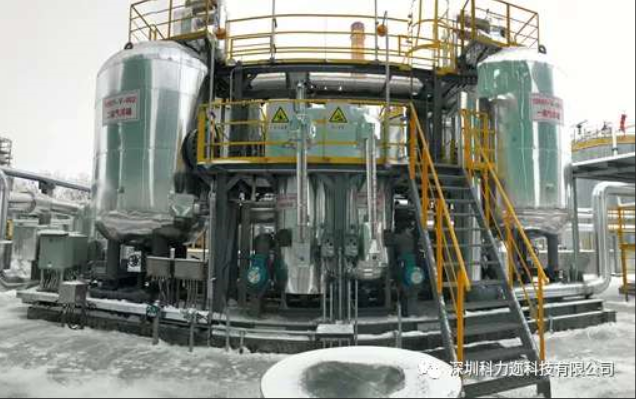
2025-12-25This solution integrates coalescing pressure oil separation and cyclonic DAF technologies to achieve over 90% single-stage oil removal efficiency, stably reducing effluent oil concentration below 150 mg/L for refinery wastewater treatment.