-
-
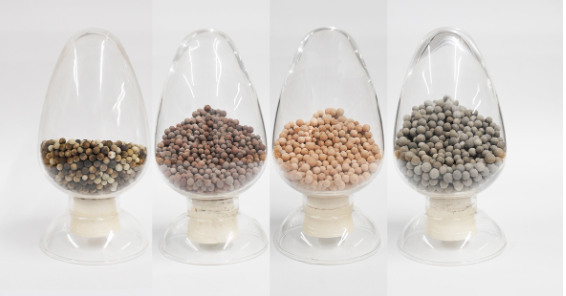
Heterogeneous Ozone Catalysis: Sinokle’s Innovative Solutions for High-Difficulty Industrial Wastewater
2025-12-17Leveraging proprietary carbon-based and silica-alumina-based catalysts, Sinokle revolutionizes industrial wastewater treatment by accelerating ozone decomposition into reactive hydroxyl radicals, achieving oxidation efficiency 2–5 times higher than conven
-
-
10 Common Treatment Processes for Oily Wastewater
2025-12-161. What is Oily Wastewater? Oily wastewater refers to water containing fats (fatty acids, soaps, fats, waxes, etc.) and various oils (mineral oils, animal and plant oils). Its characteristics inc
-
-
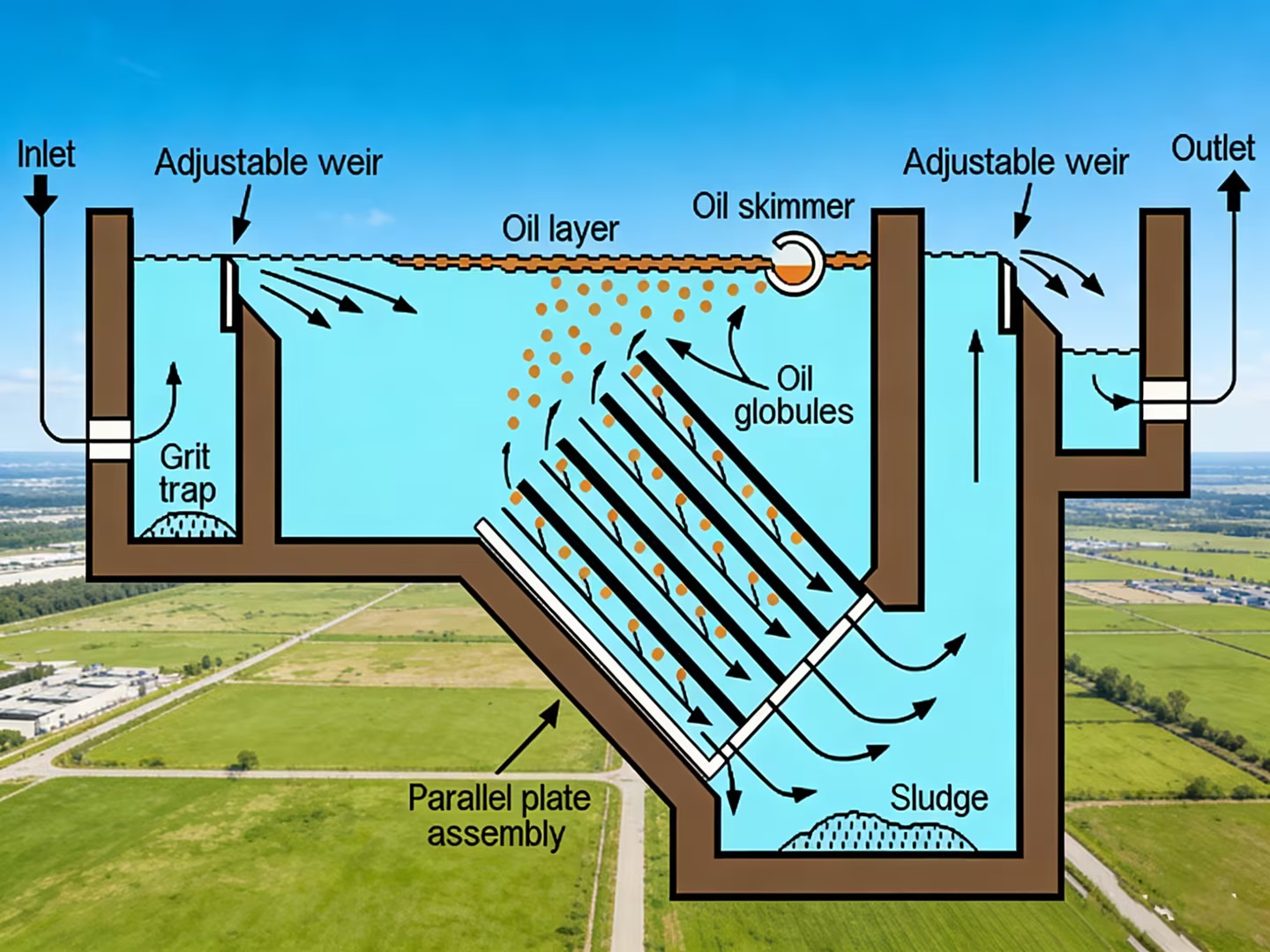
What Are The Oil-Water Separation Technologies for Oily Wastewater?
2025-12-16For oil-water separation, commonly used technologies include: 1. Dissolved Air Flotation (DAF) Dissolved air flotation relies on the formation of tiny air bubbles in water, which carry
-
-
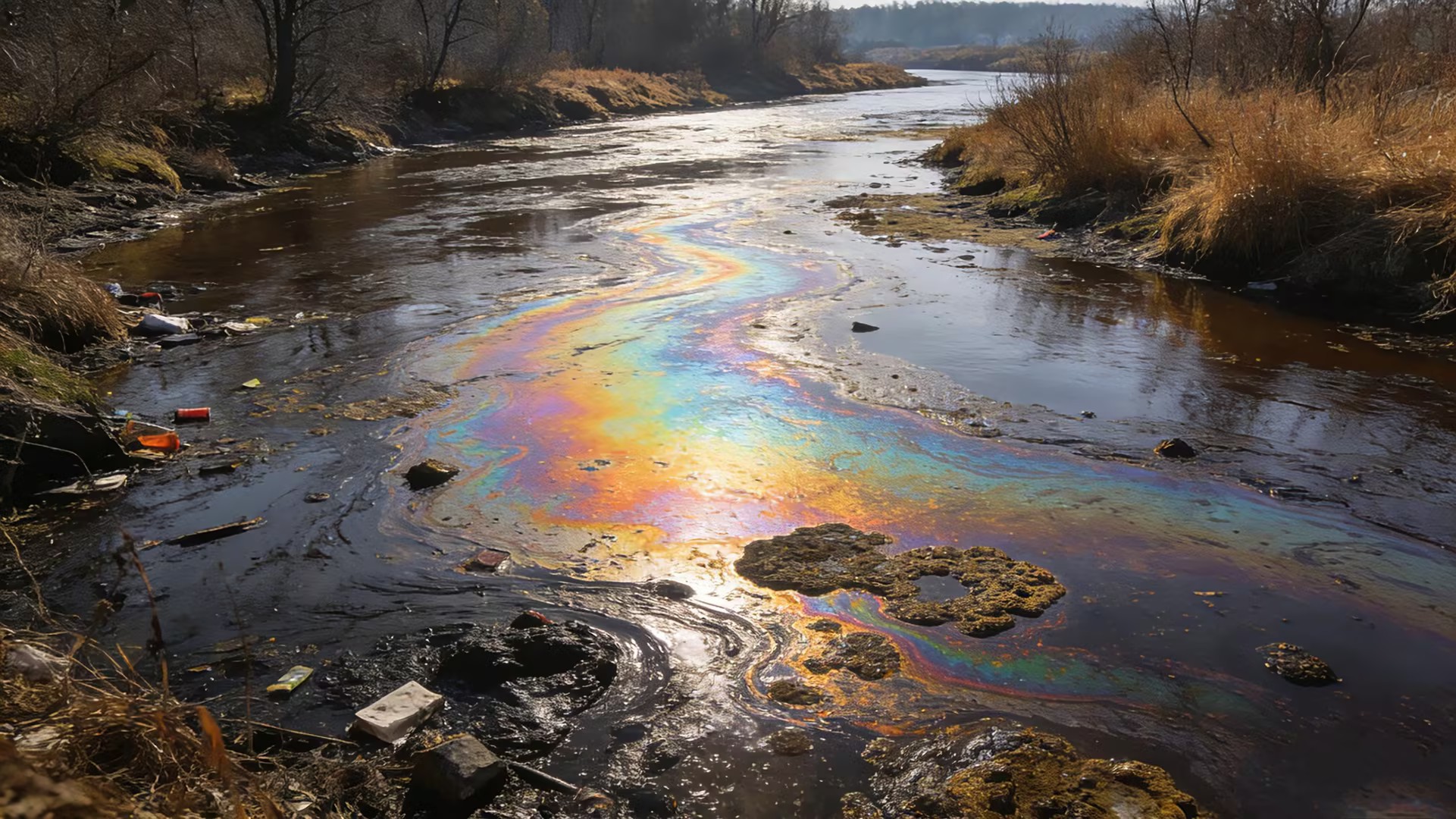
Environmental Hazards of Oily Wastewater
2025-12-16Petroleum is a crucial material for economic development and improving human living standards. It serves as a key energy source for industries like transportation, power, and machinery manufacturing,
-
-
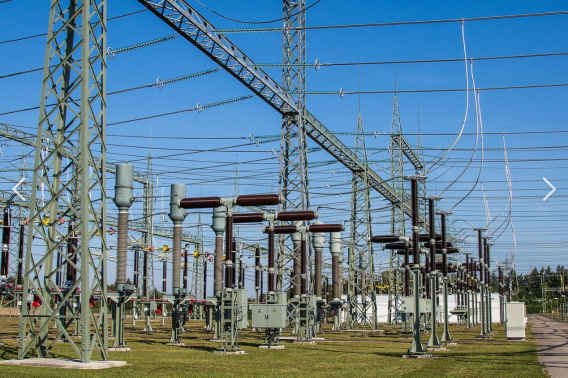
Environmental Risks of Substation Oily Wastewater and Advanced Treatment
2025-12-16Starting from the generation mechanism and environmental hazards of substation oily wastewater (especially under heavy rainfall), this article explores the limitations of traditional treatment methods and highlights the application value of latest technol
-
-
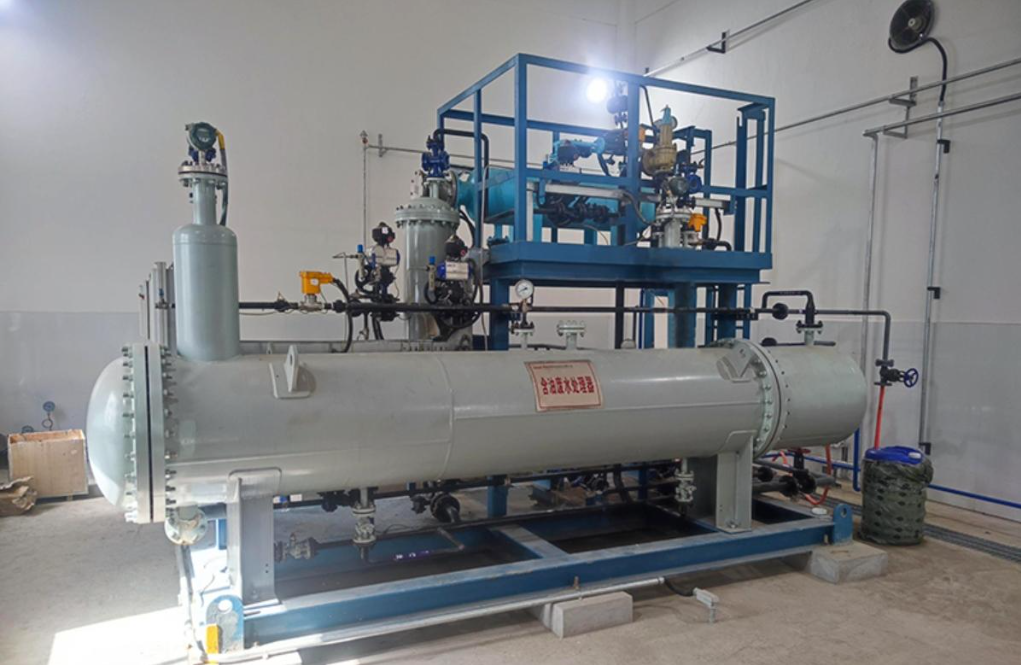
Treatment of Oily Wastewater in Oil Depot of Thermal Power Plants
2025-12-16Sinokle's innovative "prefilter + KHC coalescing separator" system overcomes the limitations of traditional methods, delivering >95% oil removal efficiency without chemicals and in a footprint just 1/5 the size of conventional systems.
-

-
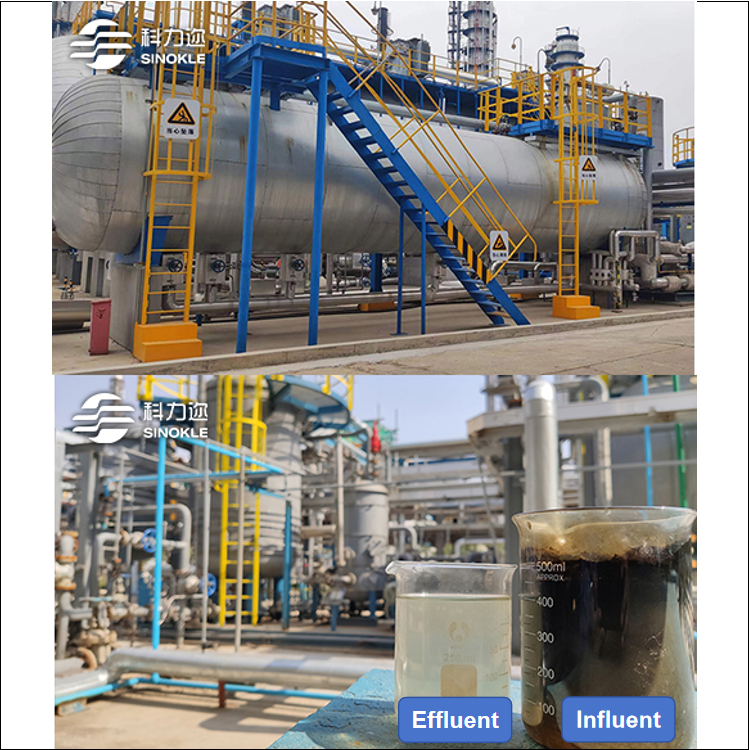
Oily Wastewater from Offshore Oilfields: Generation, Environmental Risks and Treatment Technologies
2025-12-15This article elaborates on the inevitable generation of oily wastewater during offshore oil exploitation, analyzes its hazardous composition and ecological impacts, and systematically discusses conventional and advanced treatment technologies for pollutio
-
-
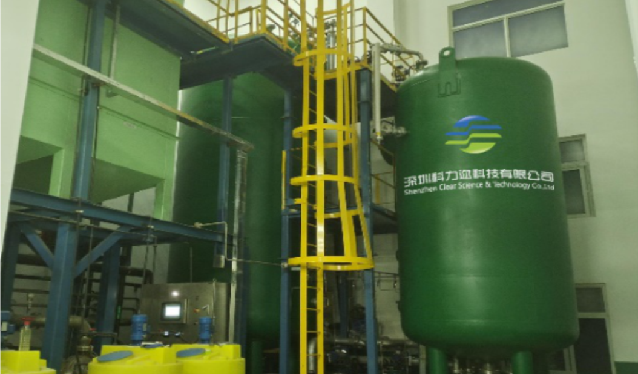
New Advances in Electrostatic Desalting Wastewater Treatment
2025-12-151 Introduction The electrostatic desalting unit is one of the indispensable units in a refinery, and its operating performance has a significant impact on the long-term, safe, and stable operatio
-
-
Innovative Catalytic Ozonation: A Breakthrough in Wastewater Purification
2025-12-15Discover how advanced catalytic ozonation technology is revolutionizing wastewater treatment, offering a more efficient and environmentally friendly solution to tackle the growing issue of water pollution.
-

-
Characteristics and Sources of Major Wastewater Types in Oilfields
2025-12-12This article elaborates on the sources, key properties (such as oil content, salt content, and particle size) of four main types of oilfield wastewater, including oil production wastewater and drilling wastewater, providing a comprehensive overview of oil