-
-
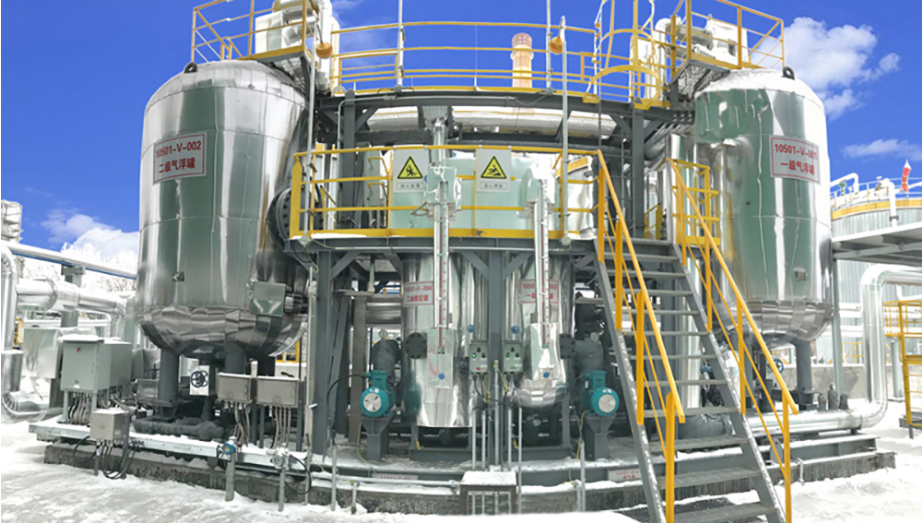
Coal Washing Wastewater Treatment Process for Coal-Fired Power Plants
2026-01-16Sinokle’s 2-stage cyclonic dissolved air flotation system achieves efficient wastewater purification through physical methods, with no chemical additives and minimal sludge.
-

-
The "Hidden Byproduct" of Oil Extraction: Produced Water Generation and Management
2026-01-16Oil powers our world—but for every barrel pumped, up to 10 barrels of toxic wastewater rise with it.
-
-
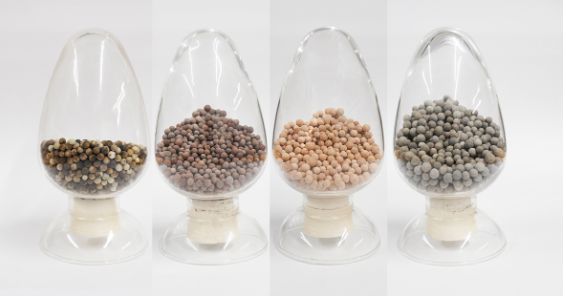
New Breakthrough in Wastewater Treatment: Application of Precious Metal Heterogeneous Catalyst
2026-01-16Built for harsh environments, Sinokle’s acid-resistant, precious metal-doped catalyst delivers stable, high-yield oxidation across pharma, textiles, and petrochemical sectors.
-

-
Application of Ozone in Oilfield Wastewater Treatment
2026-01-15Oilfield wastewater has three sources: the first source is drilling fluids and their return flow, the second source is oil well fracturing flowback, and the third source is wastewater produced during
-
-
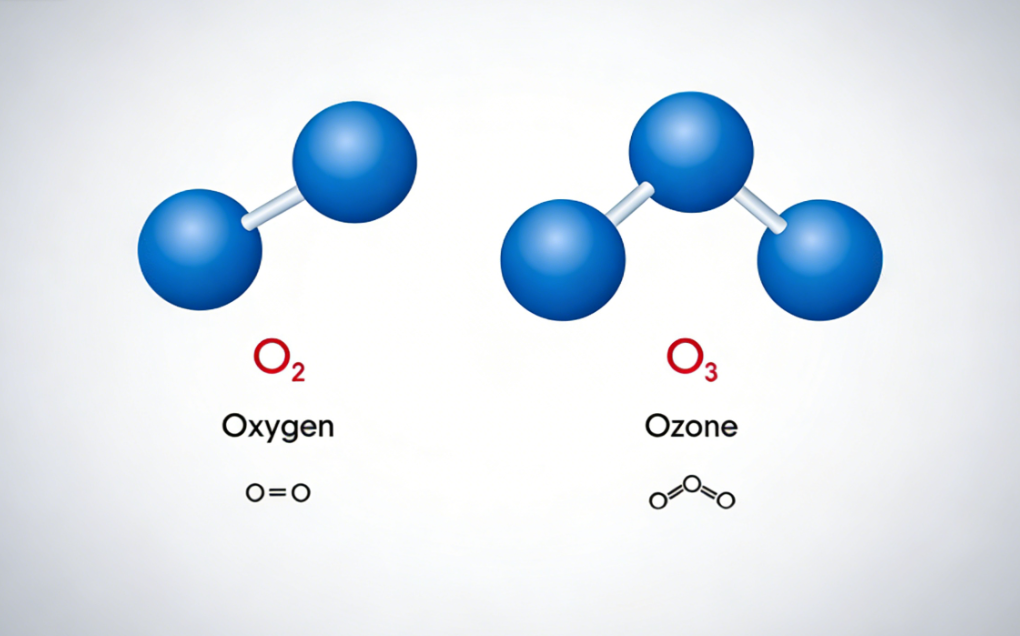
Physical and Chemical Properties, Uses, Advantages and Disadvantages of Ozone
2026-01-15During the oil extraction process, considerable amounts of wastewater are generated from activities such as drilling, fracturing, and crude oil dehydration. This wastewater typically contains organic
-
-
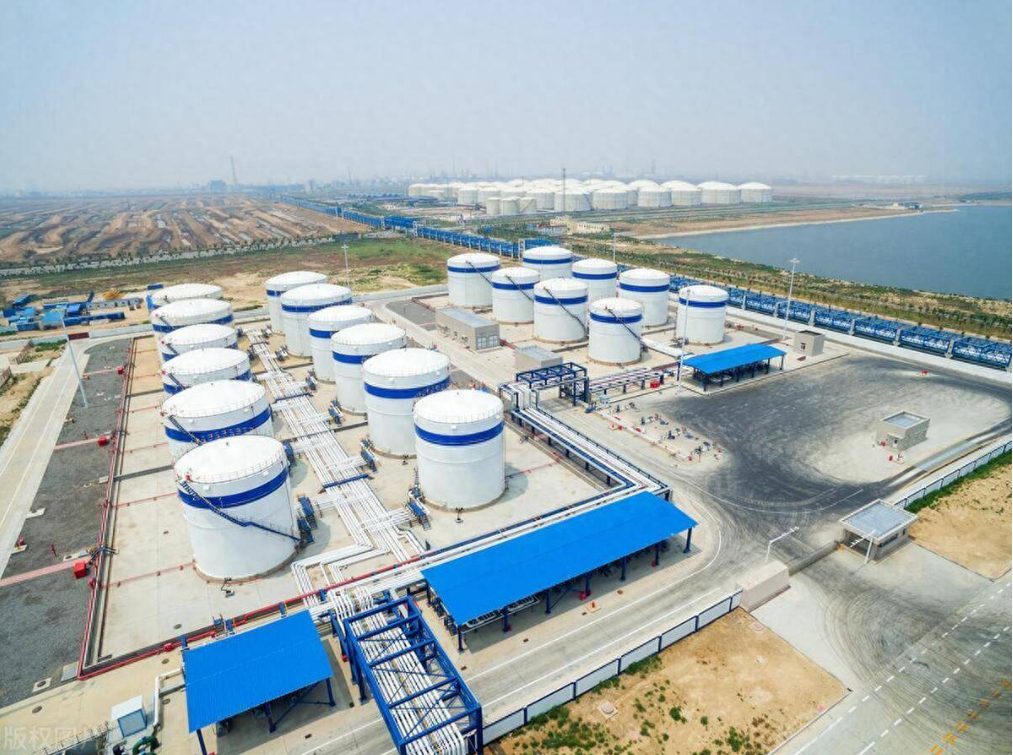
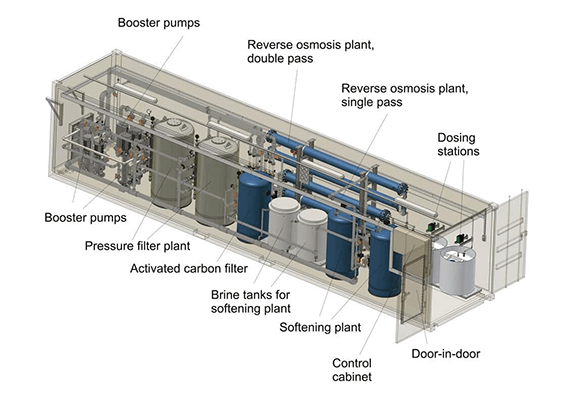
Revolutionizing Tank Farm Dewatering: Sinokle’s Chemical-Free CDFU Solution
2026-01-15A compact, skid-mounted system that removes >5µm oil droplets without chemicals—boosting safety, efficiency, and profitability.
-
-
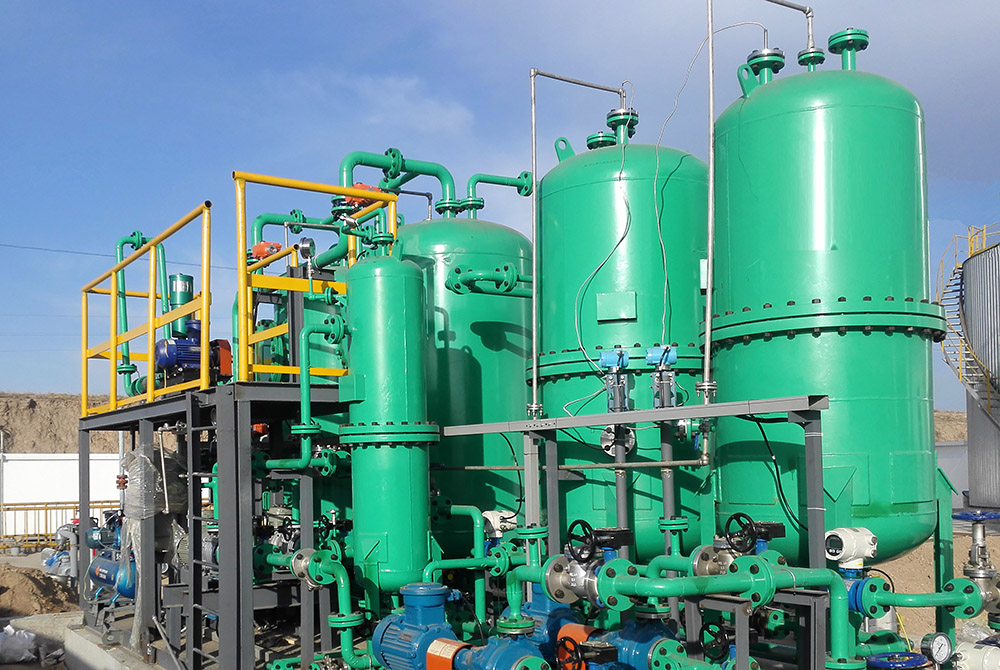
Mobile Wastewater Treatment Equipment: The Flexible Guardian of Water Environment
2026-01-15This article explores the structural types, core characteristics and outstanding advantages of mobile sewage treatment equipment, revealing how it efficiently safeguards the water environment in diverse scenarios.
-
-
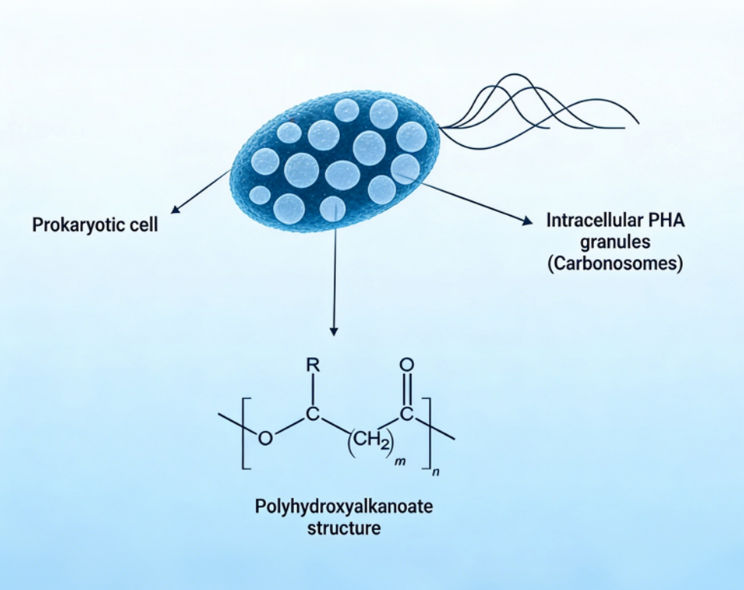
Beyond Sieving: How KFM Activated Media Filter Redefines Oilfield Wastewater Filtration
2026-01-15By leveraging nanostructured surfaces and permanent electrostatic adsorption, KFM overcomes the limitations of traditional filters in treating complex polymer-containing produced water.
-
-
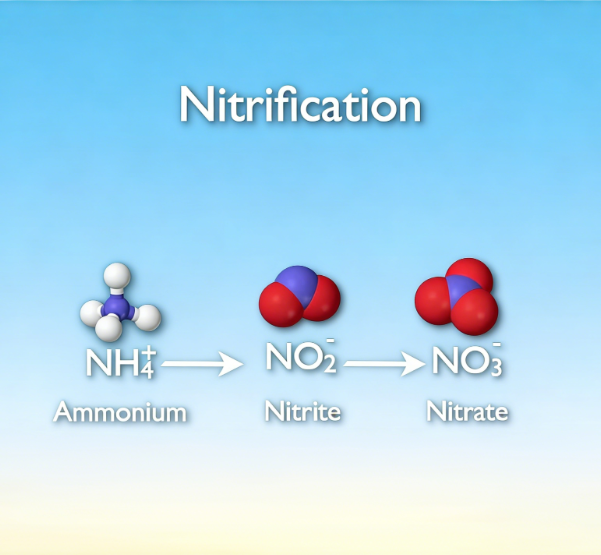
Multiple Factors Affecting Total Phosphorus Removal in Wastewater Treatment
2026-01-14The removal of phosphorus in wastewater treatment involves the release of phosphorus by polyphosphate-accumulating organisms (PAOs) under anaerobic conditions and the excessive uptake of phosphorus un
-
-
Factors Affecting Total Nitrogen Removal Efficiency in Wastewater Treatment
2026-01-14Denitrification in wastewater treatment is based on the biological nitrification process, with the addition of biological denitrification, which refers to the biochemical process where nitrate in wast