-
-
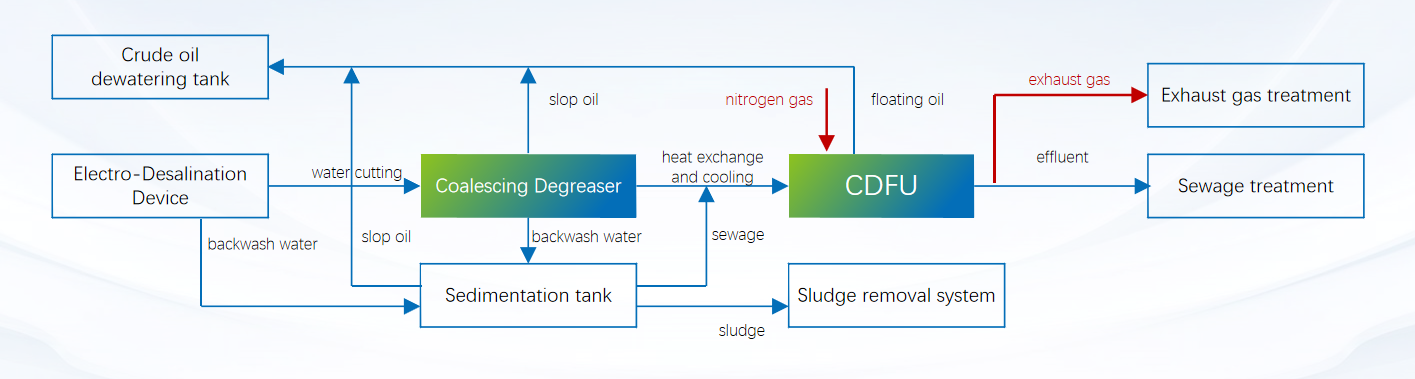
Electro-Desalting Wastewater's "Major Troubles": High Salinity, Emulsification, Oil Content – How to Resolve Them One by One?
2026-01-06This article details the three core challenges of electro-desalting wastewater and the targeted technologies used to achieve effective treatment and compliance.
-
-
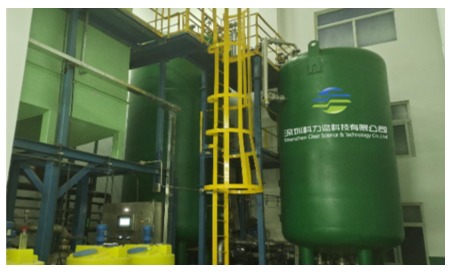
Overcoming the Difficulty in Wastewater Treatment: the Advantages of Sinokle’s CDOF Technology
2026-01-06This cutting-edge catalytic oxidation technology integrates advanced principles with proven reliability, offering a one-stop solution for treating refractory, high-toxicity organic wastewater.
-
-
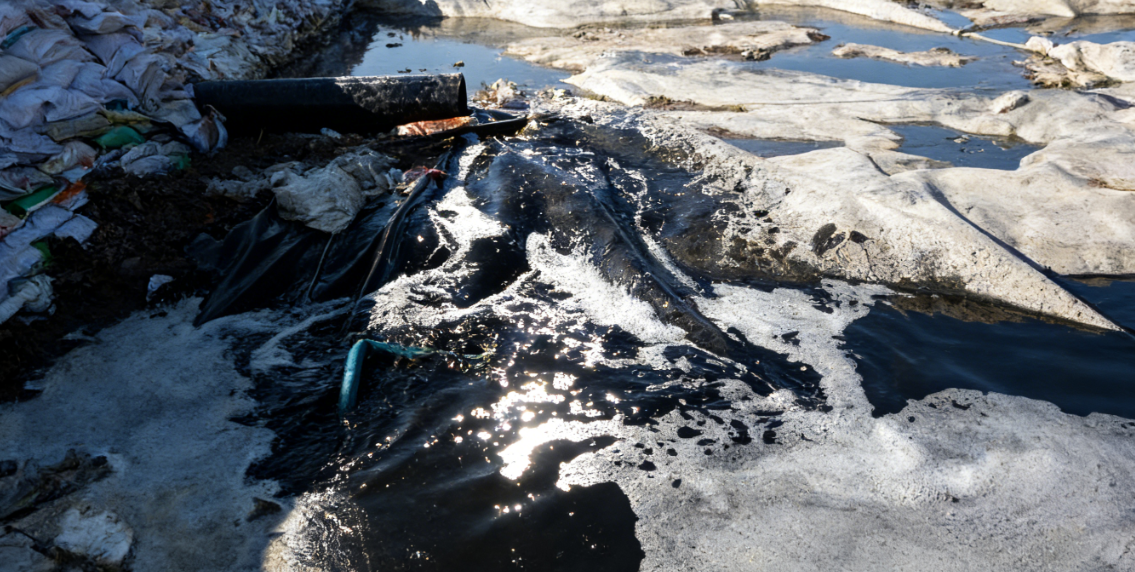
What pollutants are included in landfill leachate?
2026-01-051. Organic Pollutants In urban landfills, household waste constitutes the majority. This waste contains a high proportion of kitchen waste, which is mostly made up of organic mat
-
-
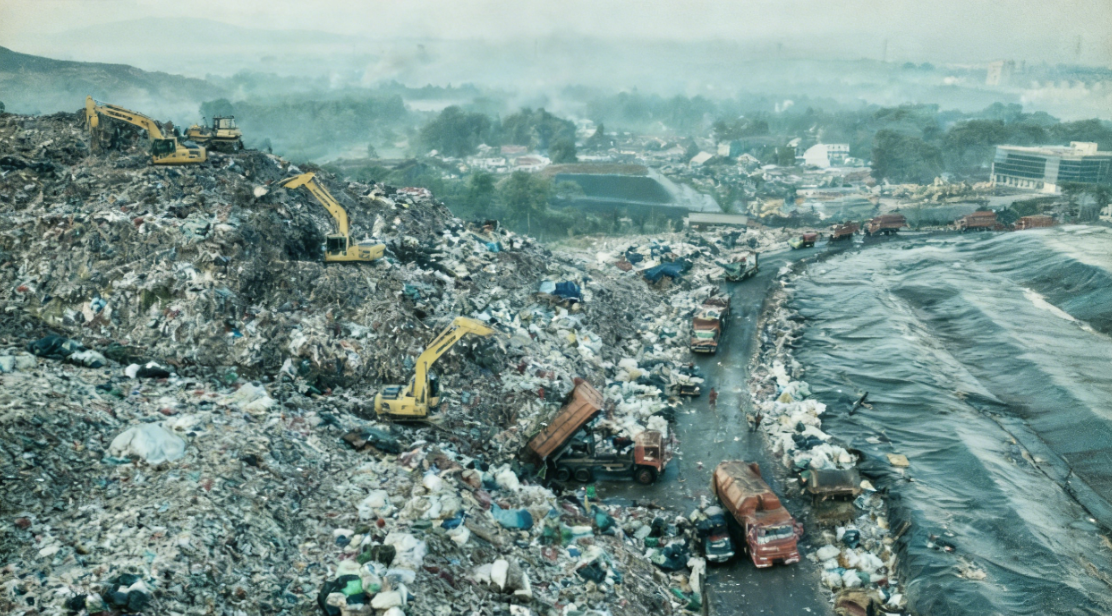
Types and Characteristics of Landfill Leachate
2026-01-05As urbanization continues to advance and develop in many countries around the world, the population is increasingly concentrated in cities. This has led to a significant rise in the amount of municipa
-
-
Key Technologies for Refinery Wastewater Discharge Compliance: From Instruments to Nessler's Reagent Colorimetry
2026-01-05It explains the core monitoring indicators of refinery wastewater and clarifies how Nessler's reagent colorimetry helps achieve accurate ammonia nitrogen testing.
-
-
Redefining Industrial Wastewater Treatment with Nanoscale Bubble Innovation
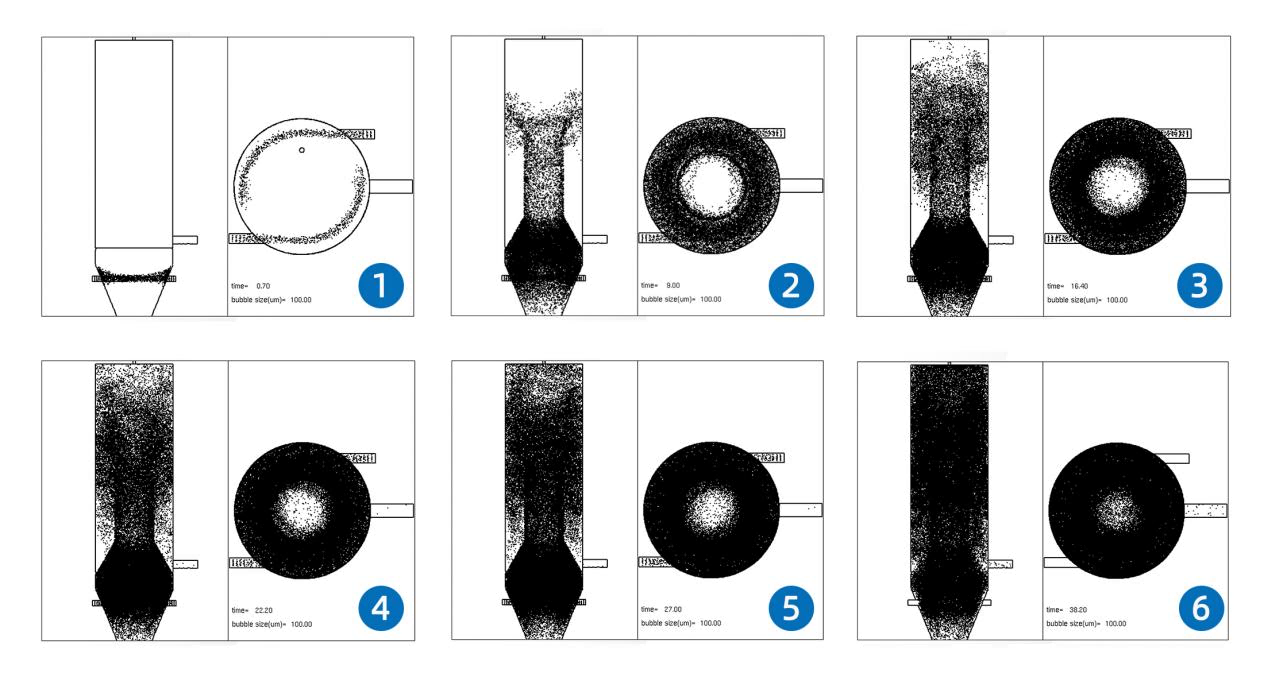
2026-01-05By leveraging the unique physicochemical properties of ultra-fine nanobubbles, Sinokle delivers a robust, efficient, and sustainable solution for treating even the most challenging industrial effluents—without catalysts or secondary pollution.
-
-
Introduction to Industrial Water Treatment Mode: TOT
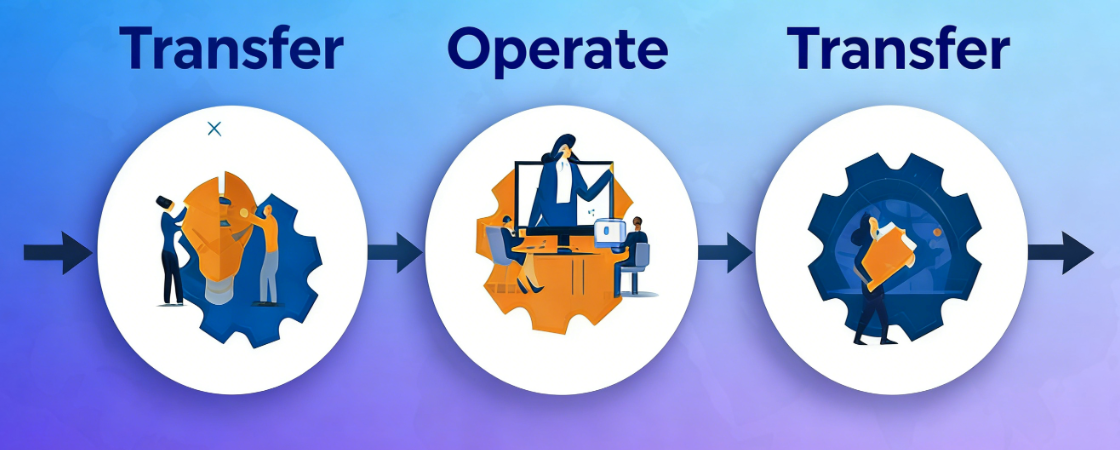
2026-01-04The TOT (Transfer-Operate-Transfer) industrial water treatment mode is an important kind of public-private partnership (PPP) mode, particularly suitable for existing industria
-
-
Introduction to Industrial Water Treatment Mode: PPP
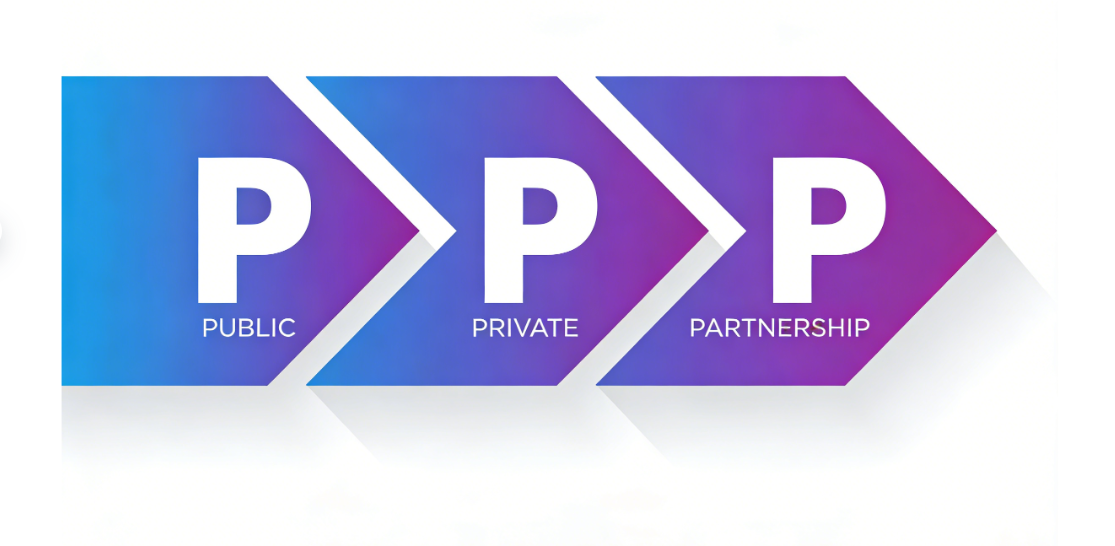
2026-01-04The PPP (Public-Private Partnership) industrial water treatment mode is a cooperation method between the government and social capital, specifically applied in the field of industrial water
-
-
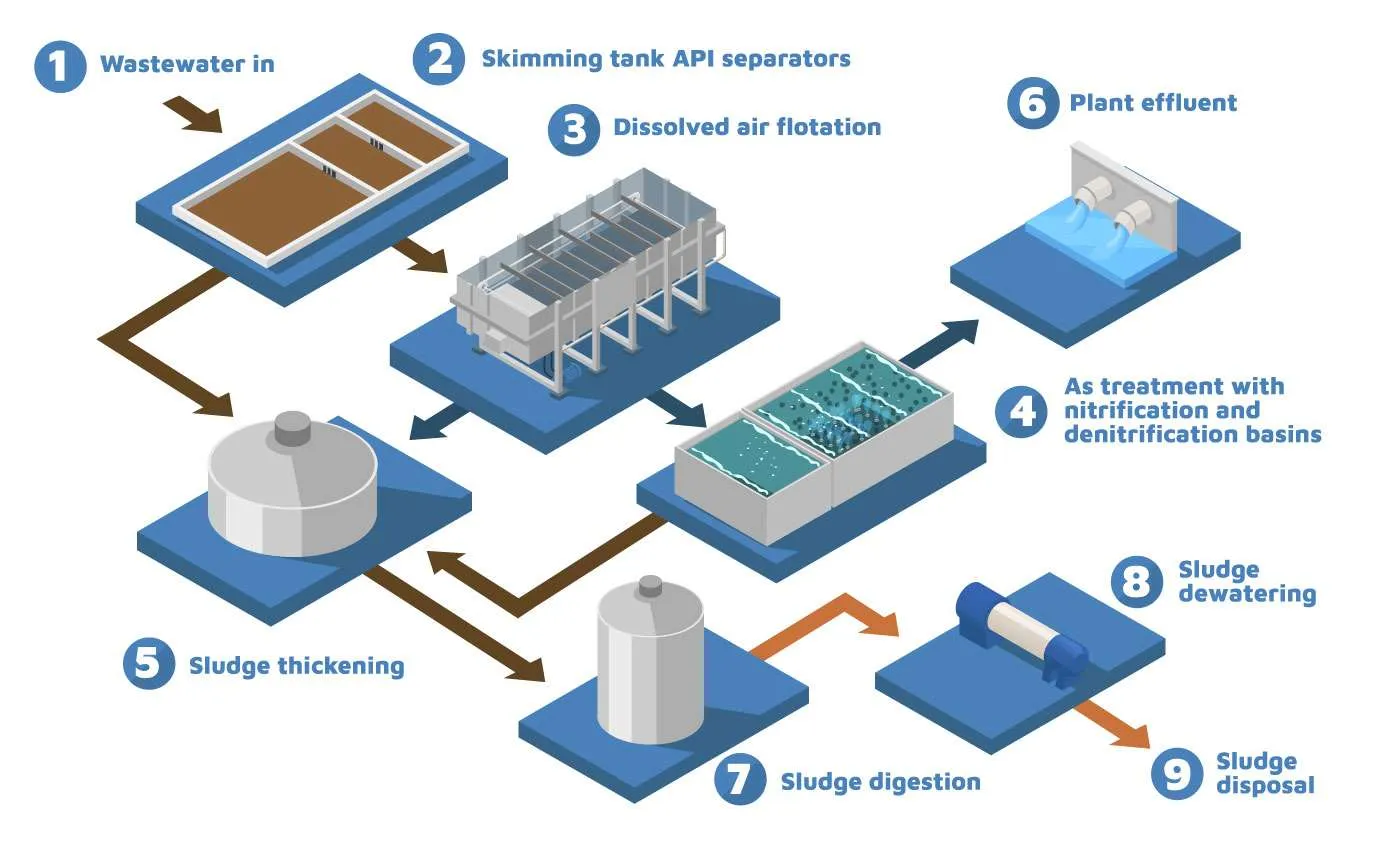
3 Steps to Purify Refinery Wastewater: Grille → DAF → Biochemical Process
2026-01-04A straightforward breakdown of how refineries turn dirty, oily wastewater into eco-friendly discharge water with three core treatment stages.
-
-
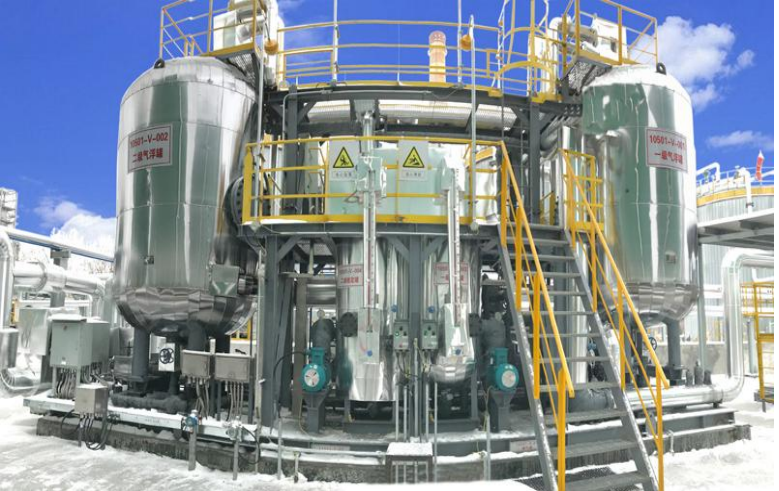
Analysis of CDFU technology: How cyclonic flow and micro-bubbles achieves efficient oil-water separation
2026-01-04This essay give detailed analysis on how CDFU, an innovative oil-water separation unit, works to separate emulsified oil from the wastewater with physical method.